


We’ll cover the fabrics designers are favouring, ethical brands worth knowing, and hands-on tips for a versatile spring edit. Expect clear styling advice, the season’s colour stories, and ways you can shop and wear more mindfully.
Key Ethical and Sustainable Fabrics for Spring 2026
Sustainable fabrics are central to ethical fashion — they offer alternatives to conventional materials while cutting environmental harm. These choices prioritize lower-impact production, improved traceability and durability without sacrificing comfort or style. As buyer awareness grows, expect demand for these textiles to rise through Spring 2026.
Which Sustainable Fabrics Are Trending in UK Spring Fashion 2026?
Key fabrics making waves this spring include:
Organic Cotton
Grown without synthetic pesticides, organic cotton is breathable, soft and a year-round wardrobe staple.
Tencel
Sourced from sustainably managed wood pulp, Tencel is biodegradable and prized for its silky hand and moisture management.
Recycled Polyester
Made from post-consumer plastic bottles, recycled polyester reduces waste and supports a circular approach to textiles.
Each material brings a distinct texture and performance benefit, making them ideal choices for a season that values longevity as much as looks. Prioritising recycled polyester is an important step toward a genuinely circular textile system in the UK.
Circular Polyester & UK Sustainable Fashion by 2026
"Production of ‘recycled polyester’ from bottles has expanded rapidly, but that growth must be matched by a systemic view of the circular polyester ecosystem in the UK — the central focus of this study — if we are to make ‘circular fashion business as usual [26]’ by 2026."— A systemic material innovation study of the current state and future possibilities for circular polyester, R Hornbuckle, 2023
How Do Organic Cotton and Natural Fibres Support Mindful Fashion?
Choosing organic cotton and other natural fibres helps reduce the environmental costs of clothing. Organic cotton typically uses less water and avoids harmful agrochemicals, while fibres such as linen and hemp biodegrade at end of life. Supporting these materials also encourages farming and supply-chain practices that are kinder to soil, water and communities — a core component of mindful wardrobe building.
Which UK-Based Ethical Fashion Brands Lead Spring 2026 Trends?
The UK hosts several ethical labels shaping sustainable womenswear: they prioritise transparency, responsible sourcing and reduced environmental impact while keeping design-forward aesthetics.
What Makes Stella McCartney and People Tree Stand Out in Sustainable Womenswear?
Stella McCartney is widely recognised for pushing high-fashion sustainability — from vegan leathers to organic fibres — proving luxury and ethics can coexist. People Tree remains a pioneer in fair trade and slow-fashion principles, producing accessible collections that foreground both craft and social responsibility. Both brands show how design-led thinking and ethical practice can go hand in hand.
How Are UK Brands Promoting Ethical Sourcing and Circular Fashion?
UK brands are increasingly embedding circularity into their models: take-back programmes, repair services and garment recycling schemes are becoming common. These initiatives extend product life, reduce landfill and encourage shoppers to think about the full lifecycle of what they buy. By pairing ethical sourcing with circular practices, brands are shifting the industry toward systems that reuse materials rather than discard them.
UK Fashion: Sustainable & Circular Industry Practices
Recent industry reports underscore this growing commitment to circularity and sustainability among UK brands. This report builds on earlier work (Hemingray et al, 2023) to examine how UK fashion and textile companies are developing sustainable and circular practices, and how they are responding to regulatory change tied to green growth and the net-zero transition.
— Sustainable and Circular Practices in the UK Fashion and Textile Industry, A Connor-Crabb, 2025
How to Build a Spring Capsule Wardrobe with Sustainable Pieces in 2026?
A capsule wardrobe is one of the simplest ways to practice sustainable consumption: a small collection of well-chosen, versatile pieces that mix and match easily so you buy less and wear more. Think quality, neutral cores and a few seasonal accents — all chosen for fit, fabric and longevity.
Research Highlight: Capsule Wardrobes
"Studies show that trying a capsule wardrobe can nudge people toward more eco-conscious choices in both personal life and work. A 2019 exploratory study found that participants who completed a three-week capsule wardrobe — many of whom hadn’t previously linked their clothing to sustainability — began to adopt more sustainable perspectives in both their personal lives and business decisions, demonstrating the behavioural potential of a curated closet."
— Finding yourself in your wardrobe: An exploratory study of lived experiences with a capsule wardrobe, A Bardey, 2019
What Are Essential Items for a Mindful Spring Capsule Wardrobe?
Build a spring capsule around a few dependable items:
- Classic White Shirt Timeless and flexible — dresses up or down with ease.
- Tailored Trousers Smart enough for work, relaxed enough for weekends.
- Lightweight Jacket Ideal for layering through unpredictable spring weather.
Choose pieces in durable fabrics and neutral tones to maximise outfit combinations and extend wear.
How Can You Mix and Match Ethical Womenswear for Versatile Outfits?
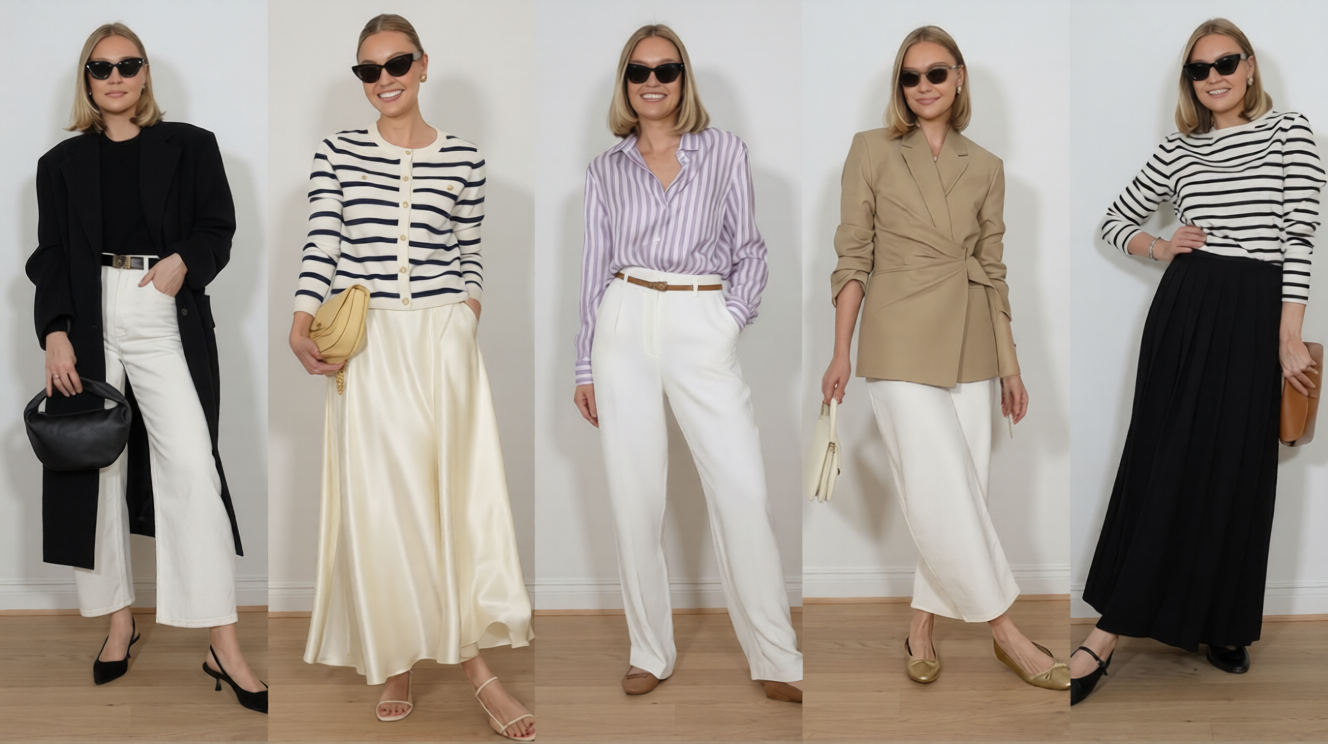
Focus on balance and proportion: pair your white shirt with tailored trousers for a polished daytime look, then add a jacket and sustainable accessories for evening. Small swaps — a belt, a scarf or different footwear — can change the mood without buying new pieces. Prioritise versatile silhouettes and sustainable materials to make every item pull double duty.
What Are the 2026 Spring Colour and Pattern Trends in UK Fashion?
Spring 2026 favours a fresh, nature-inspired palette and understated patterns that promise longevity. Expect colours and prints that feel calm, considered and easy to live with season after season.
Which Pastel Palettes and Natural Tones Dominate Spring 2026?
Soft pastels — muted pinks, powder blues and gentle greens — pair with earthy tones like warm browns and olive greens. The result is a balanced palette that reads modern and timeless, reflecting seasonal renewal while nodding to sustainability.
How Do Colour Trends Reflect Sustainability and Timeless Style?
Choosing hues that reference nature helps garments feel less trend-driven and more long-lasting. When you favour timeless colours, pieces integrate more easily into a capsule wardrobe, which reduces the pressure to keep buying seasonal fads and supports a slower approach to style.
How to Style Mindful Spring Outfits for Different UK Occasions in 2026?
Styling for different occasions becomes simpler with a thoughtfully curated wardrobe. A few reliable layering pieces and smart accessories will take you from desk to dinner without compromising on sustainability.
What Are Top Styling Tips for Ethical Womenswear Layering and Accessories?
Start with a clean base — a sustainable tank or tee — then layer a cardigan or lightweight jacket for warmth. Choose accessories made from recycled or responsibly sourced materials: scarves, belts and bags can refresh a look while staying true to eco-conscious values.
How to Transition Sustainable Spring Looks from Day to Evening?
Shift a daytime outfit to evening with a quick swap: boots for heels, a structured bag for a tote, or bold jewellery to lift a simple dress. A well-cut organic-cotton dress or tailored trousers can move between occasions with minimal effort and no extra environmental cost.
Frequently Asked Questions
What is the importance of ethical fashion in today's society?
Ethical fashion helps address the social and environmental harms of the industry by promoting fair labour, safer production and lower-impact materials. When we choose ethical brands, we reduce waste and pollution while supporting better working conditions and local communities — all practical steps toward a fairer system.
How can I identify truly sustainable fashion brands?
Look for transparency: clear supply-chain information, material sourcing and production practices. Certifications like GOTS or Fair Trade are useful signals, as are published impact reports, third-party audits and repair or take-back programmes. Customer reviews and brand storytelling can also reveal whether sustainability is genuine or just marketing.
What are the benefits of a capsule wardrobe beyond sustainability?
Beyond environmental gains, a capsule wardrobe simplifies daily dressing, reduces decision fatigue and saves time. It encourages thoughtful purchases, helps you develop a clear personal style and often results in a neater, more functional closet.
How can I care for sustainable fabrics to extend their lifespan?
Follow the garment care label, wash at lower temperatures, air-dry when possible and choose mild, eco-friendly detergents. Repair small issues quickly rather than replacing items, and store garments properly to avoid unnecessary wear. These small habits extend life and reduce overall consumption.
What role do consumers play in promoting sustainable fashion trends?
Consumers drive change by choosing brands that prioritise ethics and by demanding transparency. Sharing knowledge, buying second-hand, swapping clothes and supporting repair services helps scale sustainable practices. Consumer behaviour sends a clear market signal that sustainability matters.
How can I incorporate sustainable fashion into my existing wardrobe?
Start by assessing what you already own and keeping the pieces that fit well and last. Replace worn fast-fashion items gradually with higher-quality alternatives, upcycle or mend garments where possible, and introduce versatile, sustainably made staples that work across multiple outfits.
Conclusion
Adopting ethical spring fashion in the UK for 2026 is both stylish and practical: by choosing sustainable fabrics, supporting transparent brands and building a mindful capsule wardrobe, you reduce waste and get more wear from every purchase. Small, intentional changes add up — start by selecting durable staples and experimenting with a curated edit of seasonal accents. Explore our curated selection of sustainable womenswear to begin your journey toward a more considered wardrobe.