

01 — Introduction
British spring demands a practical approach to getting dressed. Temperatures swing between 8–14°C, rain arrives without warning, and mornings often feel nothing like afternoons. A well-planned spring outfit accounts for all of this, combining lightweight layers with breathable fabrics that adapt to whatever the day brings.
This guide covers everything needed to build a functional spring wardrobe for UK weather conditions. The focus sits on versatile pieces, layering techniques, and styling methods that work across workdays, weekends, and everything in between. Whether commuting across London or running weekend errands, the principles here apply to anyone seeking practical spring style without sacrificing comfort or personality.
What you'll gain from this guide:
- Master spring layering techniques suited to variable UK temperatures
- Build a functional spring wardrobe with pieces that work together
- Style outfits that transition from work to weekend without complete changes
- Choose weather-appropriate fabrics that perform in British conditions
02 — Understanding Essentials
Understanding Spring Wardrobe Essentials
Spring clothing differs fundamentally from winter or summer pieces. The season asks for transitional items—clothes that regulate temperature across a single day rather than a single activity. Where winter demands insulation and summer prioritises cooling, spring requires both qualities working in combination.
Explore CollectionFor British life, this means selecting materials and silhouettes that handle humidity averaging 70–80%, frequent drizzle, and temperature shifts of 6–8°C between morning and afternoon. The right spring wardrobe feels comfortable at 9am in a chilled tube station and equally comfortable walking through a park at 2pm when the sun finally appears.
03 — Lightweight Fabrics and Materials
Cotton Basics
Cotton remains the foundation of practical spring dressing. Its natural breathability and absorbency suit British humidity far better than synthetic alternatives, which can trap moisture and create discomfort during longer wear. Enorsia's focus on cotton basics reflects this reality — the fabric handles 200+ washes at 40°C without significant shrinkage, making it a sensible investment for pieces worn repeatedly across the new season.
Shop Cotton EssentialsSpring Denim
Denim deserves particular attention for spring. The fabric has evolved considerably, with Spring 2026 favouring relaxed fits in 10–14 oz weights that offer breathability without sacrificing durability. Light-to-medium blue washes prove most versatile, pairing equally well with structured tops for office settings or relaxed knitwear for weekends. The material's water-resistance in mid-weight forms handles light rain more effectively than unlined cotton — a practical advantage for anyone caught without an umbrella. For an elevated evening look, a women's denim tiered midi dress offers a unique silhouette, while a men's sleeveless denim jacket provides the perfect outer layer for transitioning between temperatures.
Cotton Blends
Cotton blends offer another excellent option, particularly for cotton trousers and lightweight shirts. These fabrics wick moisture at rates 20–30% higher than pure polyester, keeping the body comfortable during the warmer days that arrive unexpectedly in late April and May.
04 — Versatile Layering Pieces
The Modular System
"Layering is key to adapting to changing spring temperatures and helps keep you warm and dry without adding bulk."
The layering system forms the core of any successful spring outfit. Think of it as modular dressing: a breathable base layer, a temperature-regulating mid-layer, and a protective outer shell. Each piece should work independently and in combination, creating multiple outfit possibilities from fewer items.
Denim Jackets
Denim jackets represent the quintessential spring mid-layer. A well-made jacket in 12 oz denim handles commutes, weekend walks, and casual evenings with equal competence. The fabric's natural structure maintains shape across extended wear while offering genuine protection against light showers.
Cardigans and Light Sweaters
Cardigans and light sweaters serve similar functions in more polished settings. A structured cardigan layered over a cotton shirt creates the kind of smart casual combination that works in modern offices, while knitwear in earthy neutrals transitions seamlessly to weekend use.
05 — Essential Spring Outfit Categories
Workday Spring Outfits
Professional spring dressing in the UK balances polish with practicality. The morning commute often involves rain, crowded transport, and temperature extremes between outdoor and indoor spaces. An outfit needs to handle all of this while looking put-together for meetings and desk work.
Office Foundations
A cotton shirt paired with tailored wide-leg trousers creates a clean base that works across most office environments. The wide-leg silhouette offers modern proportions while maintaining formality, and quality cotton breathes comfortably through heated buildings. Layer a lightweight jacket or structured cardigan for temperature control, easily removed when indoor heating proves excessive.
Contemporary Denim
Denim works in many contemporary workplaces when styled appropriately. Dark indigo jeans with a structured shirt and leather accessories read as smart casual rather than weekend wear. The key lies in fit — clean lines and intentional silhouettes signal professionalism even in relaxed fabrics.
Outer Protection
For those travelling between locations, consider a light trench-style coat or tailored jacket. Polished without being stuffy, a trench coat adds timeless elegance to varied outfits while providing genuine protection from spring showers.
Weekend Casual Looks
Weekends ask for comfort without abandoning style entirely. The spring outfit formula shifts toward relaxed fits, softer fabrics, and pieces that move easily through park visits, coffee shops, and casual dining.
Key Weekend Pieces
Jeans form the natural foundation — Spring 2026 favours barrel-leg and wide-leg fits in light washes that feel distinctly seasonal. Pair these with cotton basics in white or muted pastels for a fresh look that requires minimal thought. Add a denim jacket when the temperature demands, and trainers or leather sandals depending on the forecast.
Effortless Options
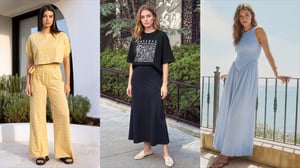
Jumpsuits offer an increasingly popular alternative, providing complete outfits in a single piece. A cotton utility jumpsuit handles weekend errands with practical ease, while more structured versions work for casual evening plans. Co-ords are practical for busy spring days and can be mixed and matched with ease.
Transitional Evening Wear
Spring social occasions — dinners, date nights, casual celebrations — require clothes that feel elevated without formal stiffness. The dress remains a reliable choice, particularly in breathable fabrics that handle warm restaurant interiors and cooler outdoor moments with equal ease.
Midi Styling
A midi dress in a neutral shade paired with sandals and a leather bag creates the kind of outfit that works across varied settings. For cooler evenings, layer a structured cardigan or light jacket that adds warmth without bulk. The look reads as intentional and considered without appearing overly formal.
Modern Jumpsuits
A well-cut jumpsuit in cotton or linen-blend fabric offers the polish of a dress with greater practicality for movement and comfort. Style with accessories that match the occasion's formality — minimal jewellery and flats for relaxed settings, more considered pieces for special events.
06 — Spring Styling Techniques and Methods
The Spring Layering Formula
Specific techniques help maximise the spring wardrobe's functionality and ensure consistent results regardless of weather conditions. This systematic approach adapts to British spring's daily temperature variations:
Base Layer Selection
Start with breathable fabric against the skin. Cotton tees, tanks, or fitted shirts in lightweight weaves regulate temperature and provide comfort during indoor periods. White and neutral shades offer maximum versatility, working underneath any combination of subsequent layers.
Mid-Layer Choices
Add temperature control through cardigans, light sweaters, or structured shirts worn open. This layer handles the 6–8°C variation typical of spring days — easily removed when warmth arrives, quickly added when it disappears. Consider fabric weight carefully; merino wool knits and cotton-blend cardigans offer ideal balance.
Colour Palette Strategy
Optimising your wardrobe transitions by choosing the right approach to seasonal tones.
Neutral Foundation
Best for building core staples in cream, grey, and earthy tones that transcend seasonal shifts.
Seasonal Accent
Perfect for adding butter yellow, dusty blue, or sage green to brighten your aesthetic.
For most UK spring wardrobes, a neutral foundation with strategic accent pieces offers the best combination. Build the core in cream, grey, and earthy tones, then add personality through a favourite shade in select items — a butter yellow shirt, a dusty blue cardigan, or a sage green bag. Rather than accumulating pieces in every trending shade, select one or two accent colours that suit your colouring and personality. These create seasonal freshness while the neutral foundation handles the practical heavy lifting.
07 — Common Spring Styling Challenges and Solutions
Unpredictable Weather Transitions
British spring presents specific wardrobe challenges that predictable climates simply don't create. Weather that changes multiple times daily requires adaptable dressing strategies — the solution lies in layering systems that adjust quickly without requiring complete outfit changes.
The Strategy
Build outfits assuming you'll need to add and remove layers repeatedly. Choose outer layers that fold compactly into a bag — a lightweight denim jacket stuffs into a tote more easily than a structured coat. Keep a compact umbrella permanently in your work bag rather than checking forecasts that often prove wrong. When uncertain, dress slightly cool; adding layers is easier than removing them, and British spring trends warmer by afternoon.
Seasonal Wardrobe Transition
The shift from winter to spring creates uncertainty about which pieces to retain and which to store. Start by identifying winter pieces that work in layered spring contexts. A favourite jumper functions perfectly as a mid-layer even if it felt like a base layer in December. Dark jeans transition directly; heavy coats do not. Move genuinely cold-weather items into storage while keeping transitional pieces accessible.
Add spring-specific items gradually rather than in a single shop. A pair of light-wash jeans, a breathable cotton shirt, and a denim jacket create multiple new outfit possibilities when combined with retained winter basics.
Professional to Casual
Build workday outfits with evening adaptability in mind. A structured shirt and tailored trousers read professionally during business hours but transition to relaxed dining with simple changes — swap the blazer for a cardigan, add different accessories, change formal shoes for leather sandals. The core outfit remains; the styling shifts.
Keep transition accessories at work or in a commute bag. A different pair of earrings, a more casual bag, or a scarf in a bolder colour enables mood changes without requiring a full outfit change.
Conclusion and Next Steps
Building an effective spring wardrobe for British weather requires neither extensive investment nor fashion expertise. The fundamentals remain straightforward: breathable fabrics that handle humidity, layering systems that adapt to temperature variation, and versatile pieces that work across multiple settings.
Enorsia's Spring 2026 collection reflects these principles through cotton basics, denim pieces, and everyday staples designed for genuine British life. The focus on fit, comfort, and practical design supports wardrobes built for actual use rather than aspirational occasions.